Restoring California’s Kelp Forests, One Reef at a Time
Healthy kelp forests are the foundation of thriving coastal ecosystems, providing habitat for hundreds of marine species, supporting fisheries, and helping coastal communities adapt to climate change. Since the collapse of Northern California’s kelp forests in 2014, Greater Farallones Association has become a leader in developing innovative, science-based restoration techniques to bring these underwater forests back.
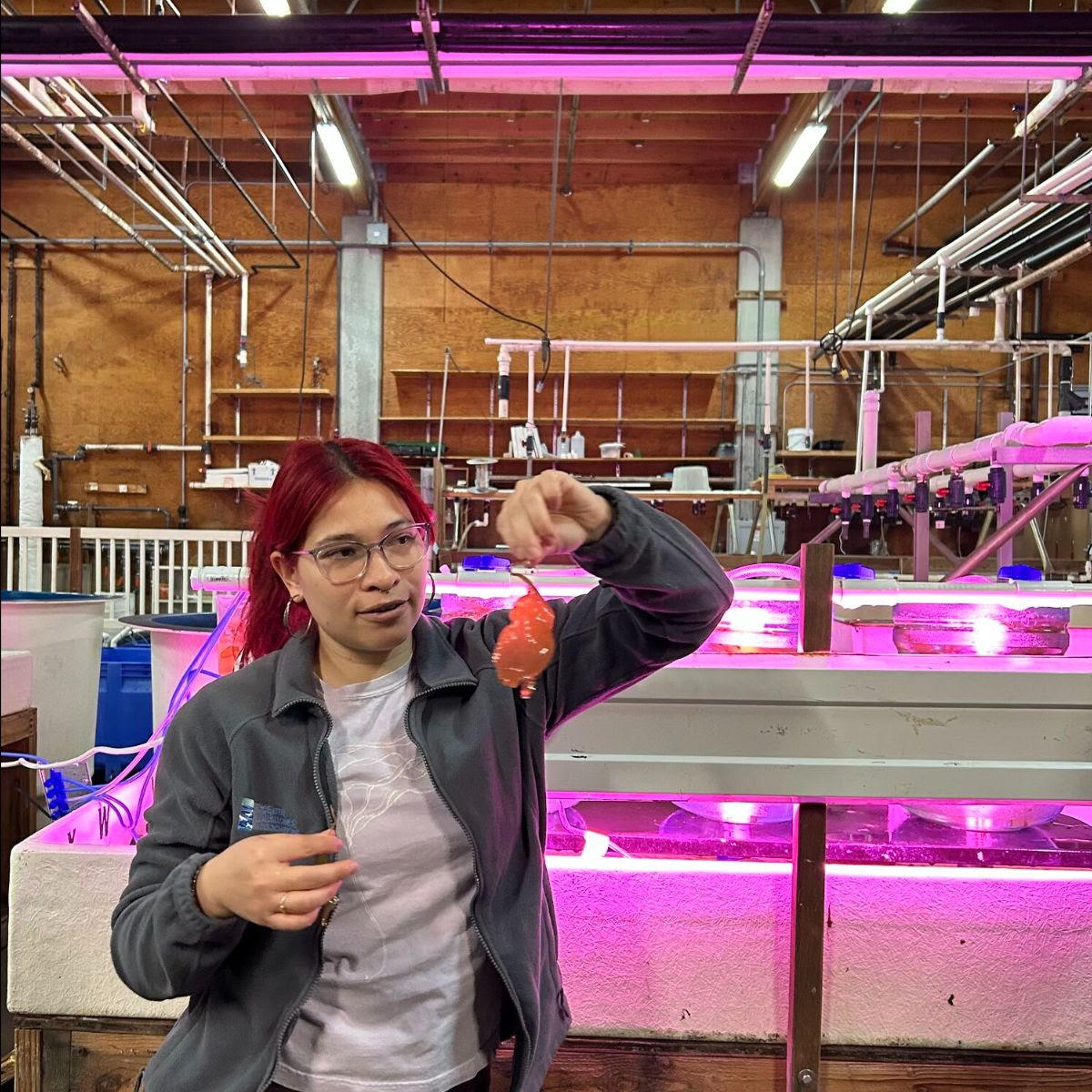
This spring marked an exciting milestone as our Kelp Restoration Team successfully moved lab-grown bull kelp from the nursery to the ocean. Working with partners at Bodega Marine Laboratory, the team cultivated bull kelp from reproductive material collected from healthy adult plants, producing cultures that reached 74,000 spores per milliliter this spring. Researchers then inoculated 100 meters of restoration twine with juvenile bull kelp and successfully outplanted 54 meters onto restoration infrastructure at Fort Ross Cove.
Just weeks later, divers documented young bull kelp growing both on the restoration structures and surrounding seafloor—an encouraging sign at a site that has remained largely barren since the regional kelp forest collapse.
The restoration effort continues to gain momentum. This summer, the team is preparing 199 juvenile bull kelp, ranging from 3 to 120 centimeters in length, for outplanting on innovative ARKEV (Array to Recover Kelp Ecosystem Vegetation) restoration units at Stillwater Cove.
These achievements build on years of restoration progress, including removing more than 144,000 pounds of purple sea urchins from restoration sites and demonstrating dramatic increases in kelp recovery. Together with our partners, GFA is helping pioneer restoration methods that can be scaled to accelerate kelp forest recovery throughout California.
Healthy kelp forests are the foundation of thriving coastal ecosystems, providing habitat for hundreds of marine species, supporting fisheries, and helping coastal communities adapt to climate change. Since the collapse of Northern California’s kelp forests in 2014, Greater Farallones Association has become a leader in developing innovative, science-based restoration techniques to bring these underwater forests back.
This spring marked an exciting milestone as our Kelp Restoration Team successfully moved lab-grown bull kelp from the nursery to the ocean. Working with partners at Bodega Marine Laboratory, the team cultivated bull kelp from reproductive material collected from healthy adult plants, producing cultures that reached 74,000 spores per milliliter this spring. Researchers then inoculated 100 meters of restoration twine with juvenile bull kelp and successfully outplanted 54 meters onto restoration infrastructure at Fort Ross Cove.
Just weeks later, divers documented young bull kelp growing both on the restoration structures and surrounding seafloor—an encouraging sign at a site that has remained largely barren since the regional kelp forest collapse.
The restoration effort continues to gain momentum. This summer, the team is preparing 199 juvenile bull kelp, ranging from 3 to 120 centimeters in length, for outplanting on innovative ARKEV (Array to Recover Kelp Ecosystem Vegetation) restoration units at Stillwater Cove.
These achievements build on years of restoration progress, including removing more than 144,000 pounds of purple sea urchins from restoration sites and demonstrating dramatic increases in kelp recovery. Together with our partners, GFA is helping pioneer restoration methods that can be scaled to accelerate kelp forest recovery throughout California.