Latest News

GFA News

Beach photo

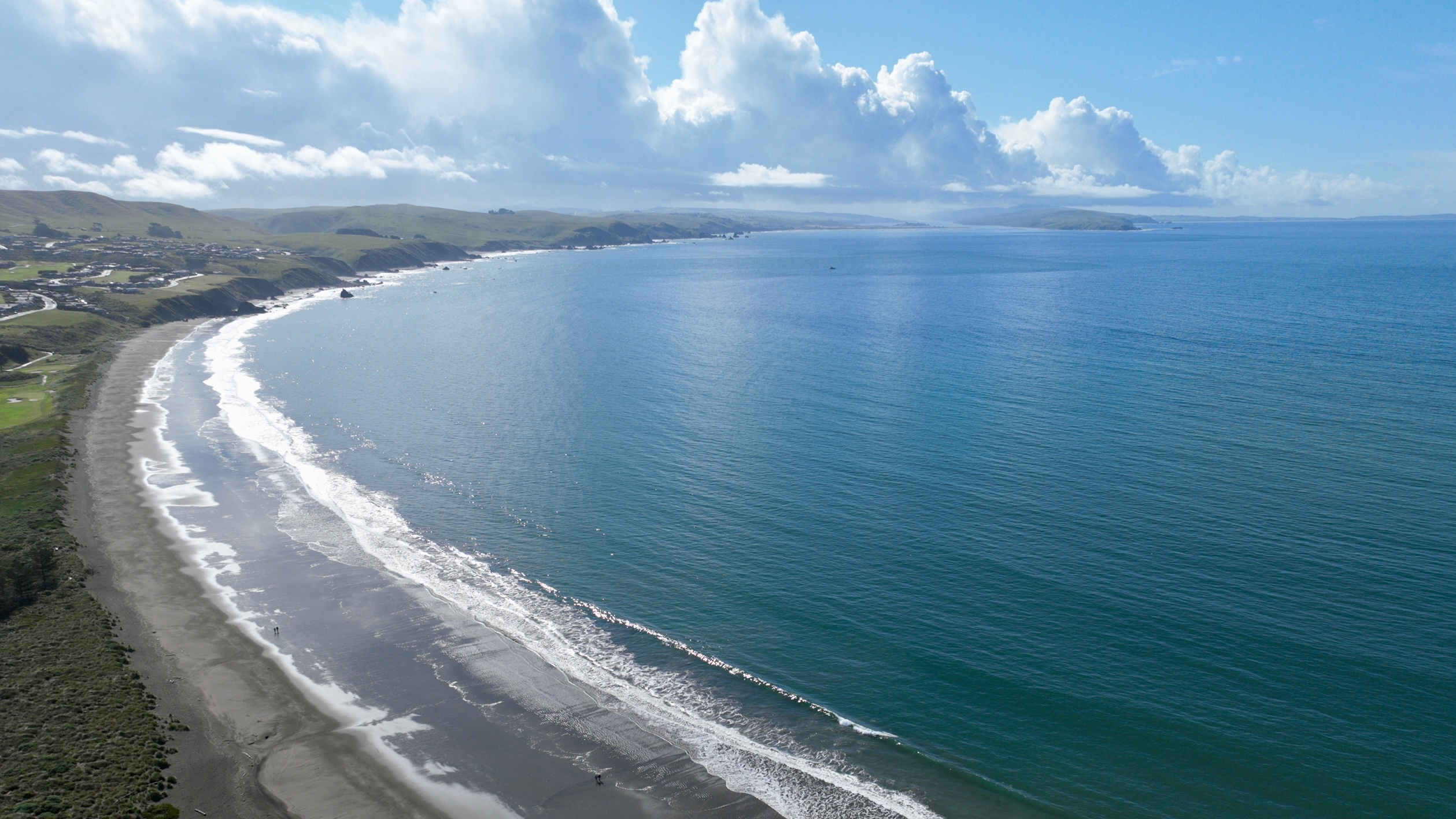
California Just Cited Our Work in a New State Law

September 30, 2026

Governor Newsom signed AB 2051, a new law to streamline permitting for coastal resilience projects statewide. The bill’s legislative findings call out a permitting roadmap developed by a regional committee that GFA coordinates as an example of how to clarify agency roles and improve the permitting process, exactly the model the new law aims to replicate across California.

More

Group photo of GFA staff at the summit

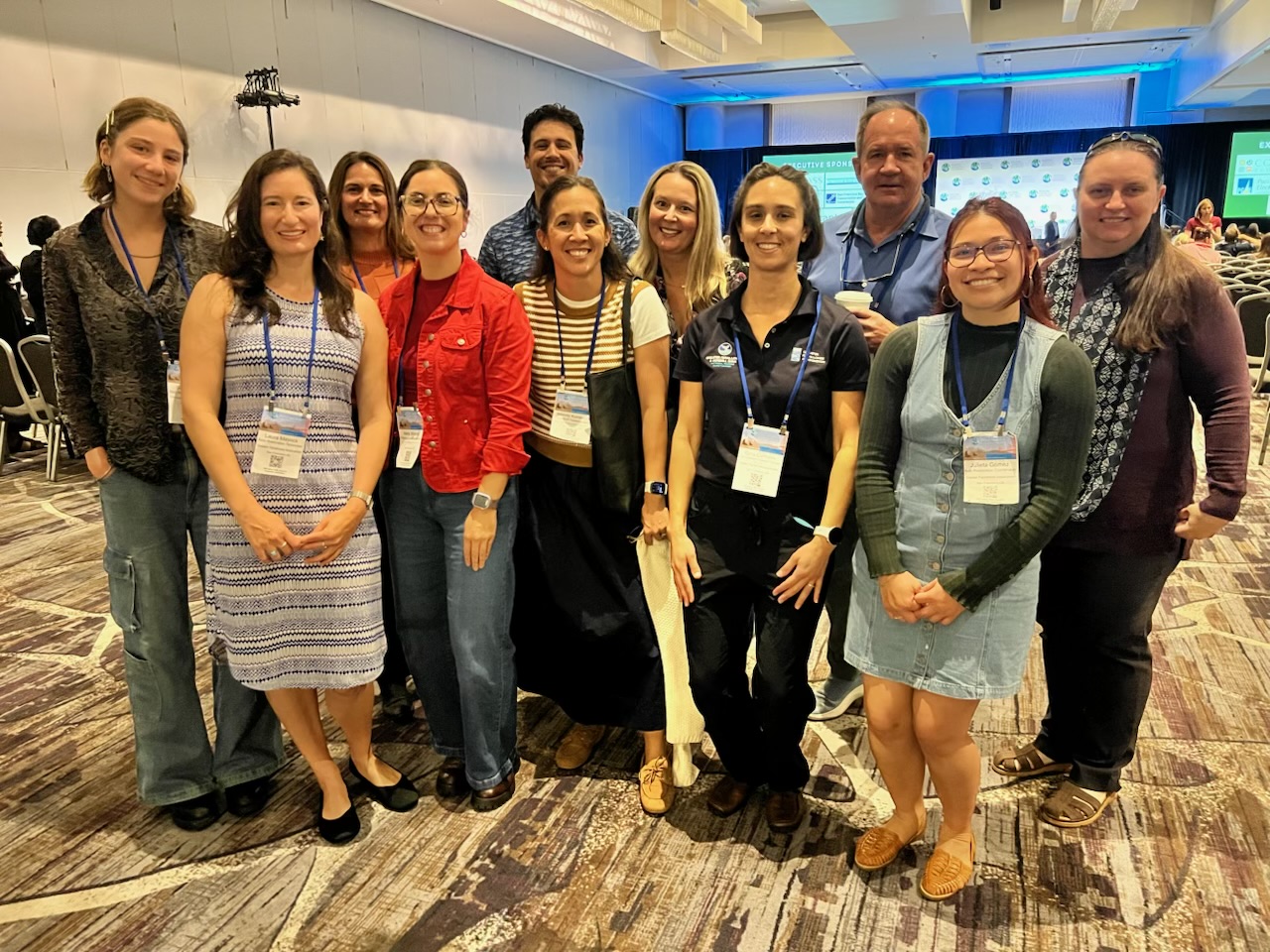
GFA Takes the Stage at the 2026 Coastal & Estuarine Summit

September 30, 2026

Greater Farallones Association was well represented at the 2026 Coastal & Estuarine Summit, where coastal conservation practitioners from across the country gathered to share ideas, research, and approaches to restoring and protecting our nation’s coasts and estuaries. Several GFA staff presented their work at the conference, highlighting projects spanning coastal restoration, science, resilience, and community engagement.

More

A scene from The Birds

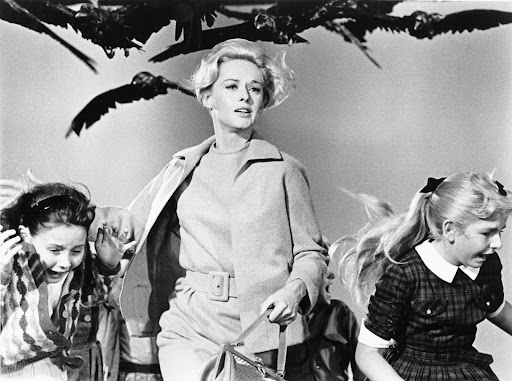
Science Behind the Story: The Real-Life Ocean Mystery Behind Hitchcock’s “The Birds”

August 31, 2026

Every summer, changing ocean conditions can bring unusual – and sometimes dangerous – conditions for marine wildlife along our coast. And one of the strangest examples happened in August 1961.

Thousands of disoriented seabirds suddenly descended on Capitola, crashing into buildings and covering streets and beaches. The bizarre event helped inspire Alfred Hitchcock’s “The Birds”, but what caused it remained a mystery for decades.

More

A group of Beach Watch volunteers hiddle around a spotting scope on a coastal headland.

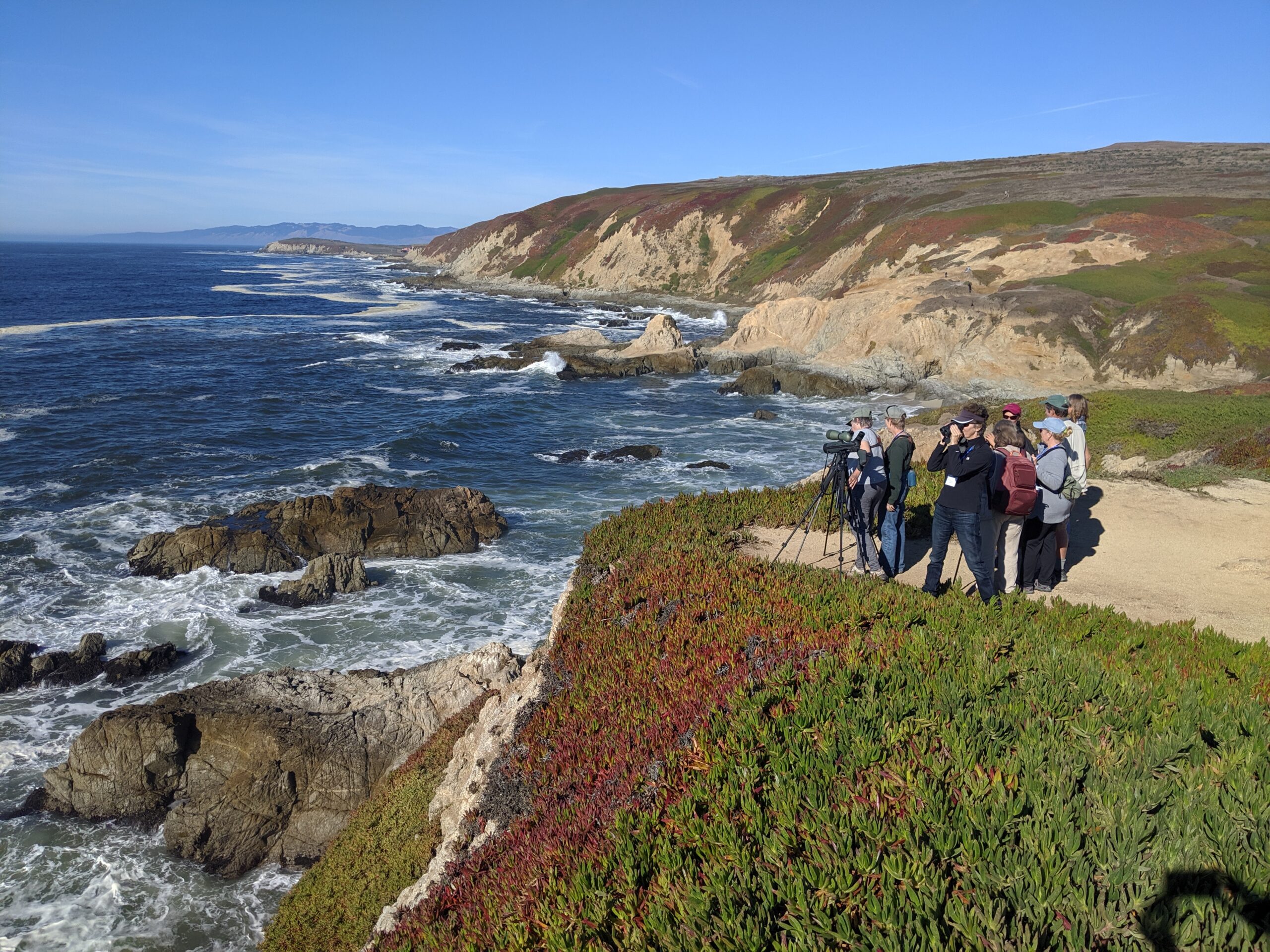
GFA Awarded Funding to Unlock 30 Years of Coastal Change Data

August 26, 2026

We’re excited to announce new funding from the California Ocean Protection Council for Shifting Shorelines, a Coastal Resilience project that will use more than 30 years of Beach Watch observations and photographs to understand how beaches and dunes across north-central California have changed over time and may respond to future sea-level rise. By combining this remarkable long-term record with shoreline analysis and coastal modeling, the project will identify patterns of erosion and recovery, examine how shoreline change affects wildlife, and help coastal managers make better-informed decisions about restoration, habitat protection, and climate adaptation.

More
More GFA News

Media Coverage

More Media Coverage

Publications

More Publications