
Science Behind the Story: The Real-Life Ocean Mystery Behind Hitchcock’s “The Birds”
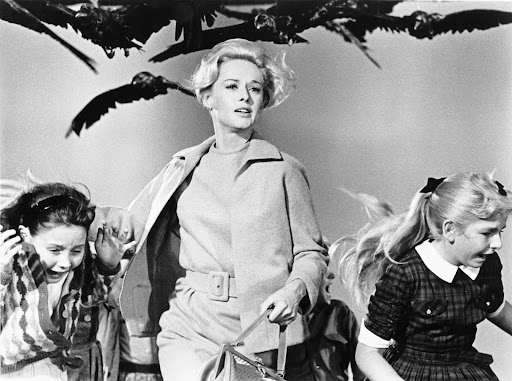
In August 1961, residents of Capitola, California, awoke to a bizarre scene: thousands of disoriented sooty shearwaters were crashing into buildings, striking power lines, and covering streets and beaches. The strange event helped inspire Alfred Hitchcock’s 1963 classic “The Birds.”
Unlike Hitchcock’s movie, however, scientists eventually found an explanation. And it came from the ocean.
Sooty shearwaters migrate thousands of miles across the Pacific and gather in Monterey Bay to feed on prey such as anchovies and squid. Decades after the 1961 event, scientists suspected domoic acid, a neurotoxin produced by certain marine algae, was responsible. The toxin can move through the marine food web and cause disorientation, seizures, and death in wildlife.
The evidence came from an extraordinary source: archived zooplankton samples collected in Monterey Bay in 1961. Researchers found that at least 79 percent of the plankton contained toxin-producing Pseudo-nitzschia, providing compelling evidence that a harmful algal bloom contributed to the event.
The discovery is a powerful reminder of why long-term ecological monitoring matters. Greater Farallones Association monitors seabirds, marine mammals, plankton, shoreline wildlife, and ocean conditions to understand change and identify emerging threats. While we may not know every question today’s data will help answer decades from now, the science behind “The Birds” is a great reminder of why we keep collecting it.
Learn more about our long-term monitoring programs.
Read the full story on History.com [https://www.history.com/articles/hitchcock-the-birds-inspiration]
Photo credit: “The Birds,” 1963 / Alfred J. Hitchcock Productions / Universal Pictures