Turning data into lasting ocean protection.

Beach Watch
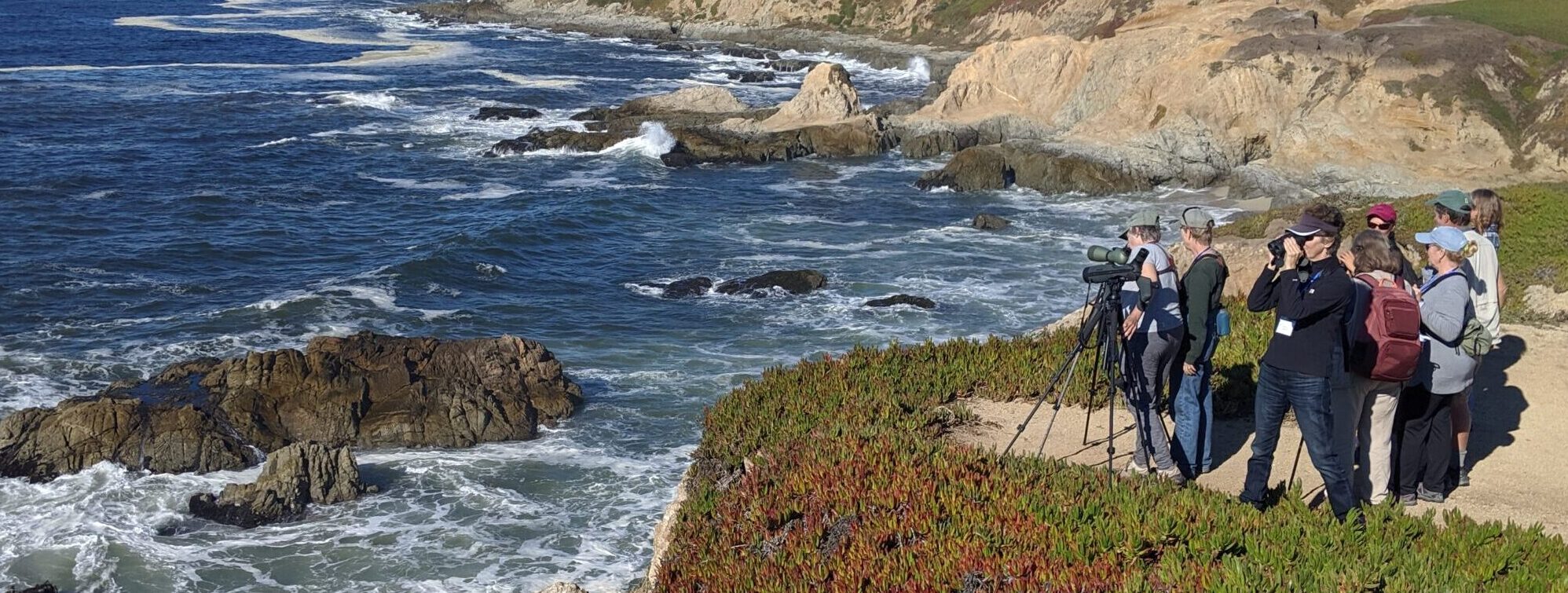
We train community scientists — folks like you — to monitor, restore, and defend our sanctuary ecosystem.
About the Program
For more than three decades, Beach Watch has transformed community commitment into powerful science that drives real-world conservation results. Founded in 1993 by Greater Farallones National Marine Sanctuary, Beach Watch is a long-term shoreline monitoring program managed by the Greater Farallones Association.
Each year, more than 10,000 volunteer hours are dedicated to monitoring over 50 beaches throughout the Greater Farallones and northern Monterey Bay national marine sanctuaries. Under our expert guidance, these trained community scientists collect critical data on coastal birds and mammals, human activity, beach wrack, oil pollution, and wildlife entanglement.
Their work provides trusted, long-term datasets that federal, state, and regional agencies rely on to guide management decisions and safeguard coastal ecosystems.
From Data to Action
Beach Watch data are at the core of the sanctuaries’ ability to detect, respond to, and recover from environmental threats. These efforts have:
- Secured more than $59 million in settlement funds from oil spills and other environmental damages.
- Enabled early detection of natural and human-caused environmental events, prompting immediate sanctuary action.
- Created a network of expert volunteers who respond to oil spills and document wildlife impacts.
- Provided the primary dataset for assessing the overall health of the sanctuary in NOAA’s Condition Report.
Sustaining a Legacy of Impact
Beach Watch demonstrates how science, community, and philanthropy come together to protect one of the most ecologically significant coastlines on Earth.