LiMPETS Inspires the Next Generation of Ocean Scientists
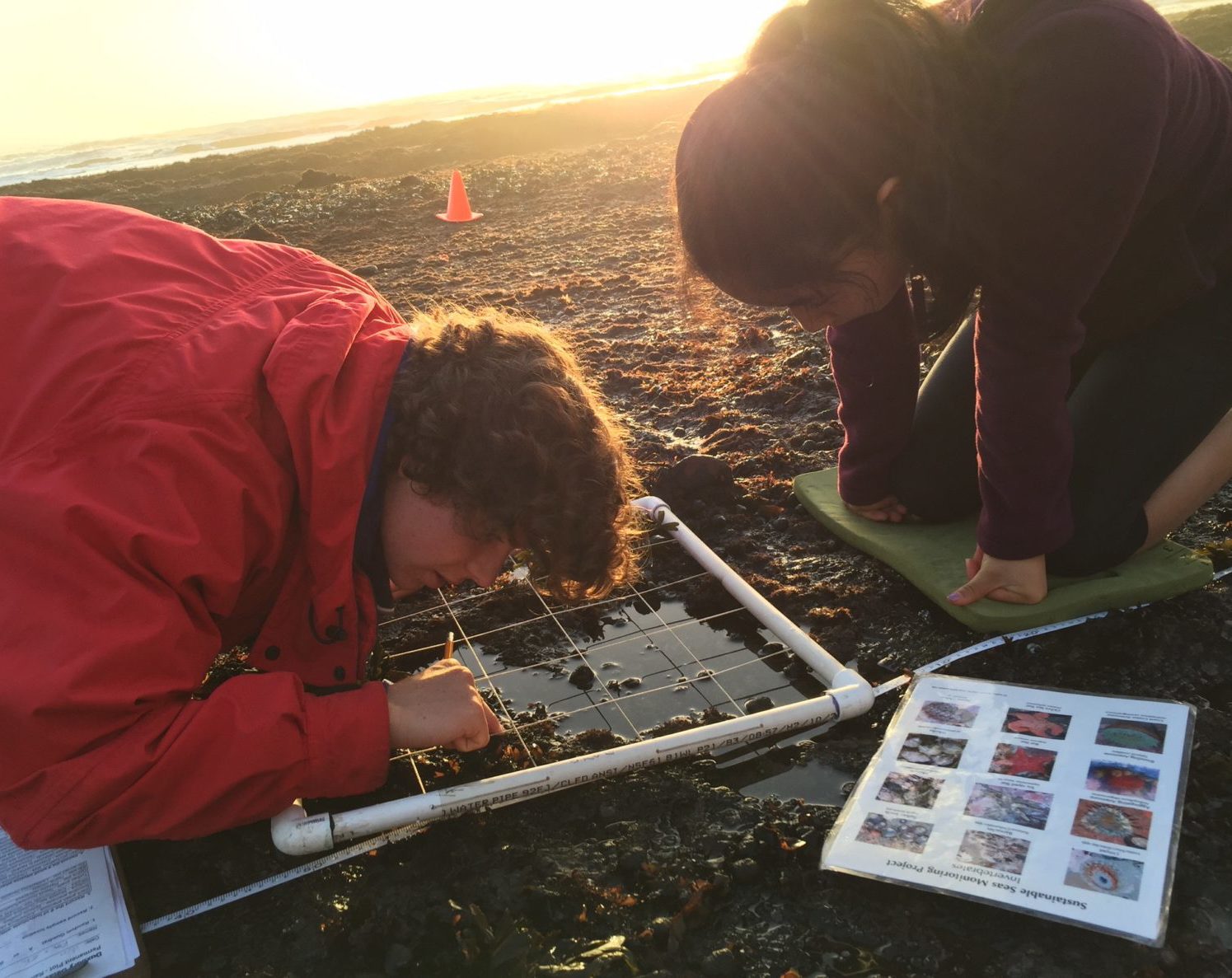
Students along California’s sanctuary coastlines are getting their feet wet in real science — and the results are making waves.
The Long-term Monitoring Program and Experiential Training for Students (LiMPETS) is a collaborative education and community science program led by Greater Farallones Association, the Pacific Grove Museum of Natural History, and California’s national marine sanctuaries. Through teacher workshops, hands-on student training, field-based monitoring, and data analysis, LiMPETS connects students directly with the science happening in their own coastal backyards.
From counting intertidal species on rocky shores to studying sandy beach ecosystems, students don’t just learn about science — they practice it. By contributing real data used by scientists and resource managers, participants gain a deeper understanding of ocean ecosystems and how local actions influence ocean health.
A recent evaluation analysis funded by the California State Coastal Conservancy highlights just how impactful the program has been. The study synthesized ten years of teacher survey data and revealed consistently strong outcomes for both educators and students:
- 97.1% of teachers reported a positive experience participating in LiMPETS
- 86.4% of teachers reported increased confidence guiding students in scientific practices
- More than 90% of teachers reported increased student interest in marine science, stronger connections to local marine environments, and meaningful opportunities for students to conduct authentic scientific research
Student surveys echoed these findings, with participants reporting high levels of enjoyment and a stronger understanding of how their actions affect ocean health.
By combining education, community science, and coastal stewardship, LiMPETS continues to inspire curiosity, build scientific skills, and foster the next generation of ocean stewards along California’s coast.